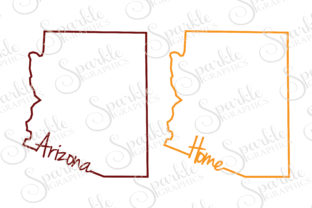
Arizona Cut File: Graphics for Crafts & Web
As a digital publisher who has spent years refining the visual identity of multiple content sites, I approach every new graphic design asset with a critical eye. It is not enough for an image to simply look good; it must perform. When I first opened the Arizona Cut File, my immediate thought was not about cutting vinyl or crafting physical goods, but rather how this specific aesthetic could translate into high-performing blog graphics and editorial layouts. In the crowded landscape of content marketing, the difference between a scroll-past and a click-through often comes down to the quality and mood of your visuals.
Setting the Editorial Mood
The first impression of the Arizona Cut File is one of rugged elegance. It captures a specific lifestyle vibe that feels both adventurous and grounded. For bloggers and website owners, this translates into a powerful tool for establishing brand identity. The design elements within this pack naturally support niches focused on travel, outdoor living, southwestern decor, or even educational content regarding geography and nature. Unlike generic stock photography that can feel sterile, these vector-based elements offer a curated, artistic touch that signals to the reader that the content behind the image is thoughtful and well-produced.
When you are building a visual hierarchy for a new article or a landing page, the style of your assets dictates the tone. This particular collection leans towards a modern yet rustic aesthetic. It is bold enough to grab attention as a hero image but clean enough to serve as a subtle accent in a newsletter header. For affiliate marketers, using assets that evoke a specific lifestyle can significantly increase trust. If your audience sees a cohesive, high-quality visual language, they are more likely to perceive your recommendations as credible.
From Crafting Tools to Digital Publishing
While this product is categorized under Crafts and is technically designed for machines like the Silhouette or Cricut, its utility for digital publishers is immense. The package arrives as a compressed archive containing versatile formats: one SVG, one DXF, one EPS, and one PNG. For the web designer, the PNG is immediately useful for drag-and-drop implementation in CMS platforms, while the SVG offers infinite scalability for retina displays without bloating your page load speed.
I envision several practical applications for the Arizona Cut File within a standard publishing workflow. First, consider your Pinterest pin strategy. Pinterest is a visual search engine where unique graphics outperform generic photos. Using these cut file elements as overlays on solid backgrounds or textured paper scans can create stop-scrolling pins that drive traffic back to your site. Furthermore, these assets are perfect for creating digital guides or worksheets. If you are an online educator creating a downloadable PDF about US states or desert ecosystems, integrating these vectors adds a layer of professional polish that generic clip art cannot match.
For those who rely on Canva templates to scale their content creation, importing the SVG version of these files allows you to build reusable branded templates. You can create a library of social media graphics, eBook covers, or media kit headers that maintain a consistent look across all channels. This consistency is key to small business branding; it ensures that whether a user sees you on Instagram, your website header, or a lead magnet, the experience is seamless.
Boosting Content Performance
The primary goal of any creative design in a publishing context is to improve metrics. A strong visual asset supports content performance by creating a stronger first impression. When a reader lands on a category page filled with cohesive, custom-styled thumbnails, the perceived value of the entire site increases. The Arizona Cut File aids in this by providing distinct shapes and lines that guide the eye. This improves reader trust because it shows effort and attention to detail.
In terms of affiliate marketing, visuals that break up text-heavy reviews or highlight key features can lead to higher conversion rates. Imagine using a stylized element from this pack to frame a "Best Pick" badge or to underline a call-to-action button in a blog post. These small touches contribute to a more professional-looking content page, which reduces bounce rates and encourages deeper engagement.
Strategic Placement and Usage
Knowing where to deploy these assets is just as important as having them. The Arizona Cut File works exceptionally well as a hero image for blog posts related to travel itineraries, home decor trends, or seasonal roundups. It also shines in newsletter headers, where a simple, recognizable graphic can become a signature part of your weekly communication. For social media previews, the bold lines of the vector art ensure visibility even when scaled down to mobile screen sizes.
However, caution is required. Do not use these detailed cut files on small mobile thumbnails where the intricate lines might blur or disappear. They are also less suitable for text-heavy blog images where the background complexity could compete with the headline readability. If your niche is strictly corporate finance or heavy industrial news, this aesthetic might feel too playful or decorative. Always ensure the visual mood aligns with your specific topic.
Practical Notes for Publishers
Before integrating the Arizona Cut File into your live environment, there are several technical checks to perform. Test the asset on both desktop and mobile screens to ensure the line weights hold up. Preview the graphic inside your actual blog layout to check contrast against your background colors. It is highly recommended to test the image alongside various typography styles—try it next to a classic serif font for an editorial look, a clean sans serif for modernity, or a handwritten script for a personal touch.
File performance is critical for SEO. While SVGs are lightweight, ensure your PNG exports are compressed properly to avoid slowing down your site. Finally, and most importantly, review the licensing terms. Since this is a digital download intended for creative use, confirm that the commercial license covers your specific needs, especially if you are using it on monetized websites, in paid ad creatives, or as part of a product you sell. By treating these crafting assets as serious components of your web design toolkit, you unlock a new level of creative freedom for your content empire.