Review: Baseball Logo Template V5 for Pro Embroidery
As a designer who spends more time staring at stitch maps than actual fabric, I approach every new machine embroidery design with a healthy dose of skepticism. We have all been there: you buy a digital embroidery file that looks crisp on the screen, only to find it turns into a puckered mess or a bird's nest of thread once it hits the hoop. That is why I took a close look at the Baseball Logo Template V5. This isn't just another graphic; it is a potential cornerstone for a season's worth of custom apparel and small shop products. My goal here is to break down whether this asset holds up under the needle for real-world projects, from boutique team uniforms to personalized gifts.
First Impressions: Shape, Flow, and Stitch Personality
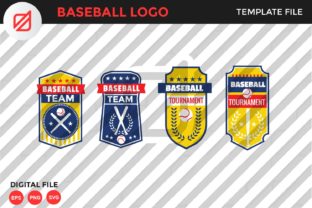
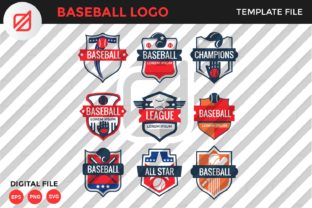
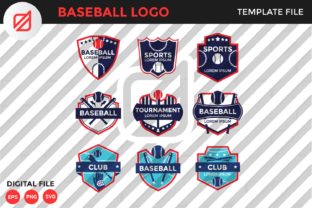
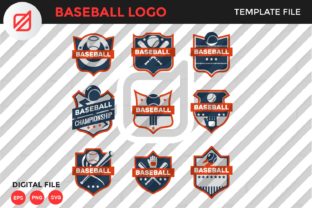
When I first loaded the files to inspect the layout, the immediate takeaway was the versatility of the shape. The Baseball Logo Template V5 strikes a balance between classic sports aesthetics and modern simplicity. For an embroidery project, shape is everything. If the outlines are too jagged or the curves too tight, your machine will struggle, and your finished product will look amateurish. This template feels solid. The lines suggest a natural flow for satin stitch borders, which are crucial for defining the logo against various backgrounds.
The visual personality here screams "team spirit" without being overly cluttered. It avoids the trap of excessive detail that often plagues sports logos when translated into thread. In my experience, less is often more when dealing with stitch density. A design that relies on massive blocks of fill stitch can make a garment feel like cardboard, especially on lighter materials. This template appears to have enough negative space to breathe, which is a promising sign for comfort and durability. Whether you are aiming for a vintage club vibe or a sharp tournament look, the foundational geometry works.
Real-World Application: From Mockup to Merchandise
Let's talk about where this actually shines. I recently had a request for a set of custom tote bags for a local little league fundraiser. This is exactly the kind of scenario where Baseball Logo Template V5 earns its keep. Because the design is provided as an editable vector (EPS 10) alongside PNG and SVG templates, the workflow is seamless. I could scale the logo in Adobe Illustrator to fit the specific dimensions of the tote bag panel before even thinking about digitizing or stitching.
For Etsy sellers and craft business owners, this flexibility is gold. You aren't stuck with one size. Imagine applying this to a sweatshirt embroidery project for a college club. The bold lines of the template would pop beautifully against the textured surface of fleece. Similarly, for baby embroidery on a onesie or a nursery pillow cover, scaling the design down while maintaining clarity is essential. The clean lines of this template suggest it would retain its integrity even at smaller scales, provided your digitizing settings are dialed in correctly.
I also see huge potential for embroidered patch creation. Patches are trending heavily in the handmade market right now. The distinct boundaries of this logo make it an ideal candidate for a merrowed edge or a simple satin border patch that can be ironed onto caps, jackets, or backpacks. It transforms a standard handmade product into something that looks professionally branded.
Navigating Fabric Challenges and Technical Constraints
However, no design is perfect for every situation, and honest reviews require discussing the pitfalls. While the Baseball Logo Template V5 is robust, context matters. If you are planning to stitch this onto a stretchy performance fabric or a thin, silky material, you need to be careful. The structural integrity of the logo depends heavily on your choice of stabilizer. On a curved surface like a cap, the density of the stitches could cause pulling if the backing isn't substantial enough. I always recommend testing on scrap fabric first, especially when dealing with dark fabrics where light-colored threads might show shadows or where dense stitching could distort the weave.
Another consideration is the lack of included text in the editable files. While this offers creative freedom, it also places the burden of typography on you. If you decide to add lettering for a tournament name, ensure the font weight matches the thickness of the logo's lines. Mismatched stroke widths can ruin the visual harmony. Also, be mindful of hoop size limitations. If you are working with a mini hoop for a pocket logo, verify that the smallest details of the template won't get lost or cause thread breaks.
Commercial Value and Brand Consistency
For those using this for commercial embroidery or selling design assets, consistency is key to building customer trust. The Baseball Logo Template V5 offers a level of professionalism that elevates brand perception. When a customer receives a personalized gift or a piece of team gear that looks crisp and well-executed, it reinforces the value of your work. The clean aesthetic helps in creating cohesive printable mockups for your online listings, allowing buyers to visualize the final result clearly.
It is important to note the file formats included: EPS 10, PNG, and SVG. The EPS file is your workhorse for editing in Illustrator, allowing you to manipulate colors and shapes before converting them into an embroidery file compatible with your specific machine software. However, since the product description does not specify exact stitch counts or pre-digitized formats like PES or DST, you must confirm whether you are receiving a ready-to-stitch file or a graphic template that requires digitizing. If it is the latter, ensure you have the skills or software to convert those vectors into efficient stitch paths.
Final Verdict for Designers and Makers
In the world of Logos and Graphics intended for thread, usability trumps complexity every time. The Baseball Logo Template V5 delivers a strong, adaptable foundation that respects the limitations and strengths of embroidery machines. It is particularly well-suited for holiday embroidery gifts, team merchandise, and boutique branding where a clean, recognizable image is required.
My advice? Download the template, open that EPS file, and play with the colors. Test a sample run on a medium-weight cotton with a cut-away stabilizer to see how the running stitch outlines and fill areas behave. Check the thread color contrast to ensure the design pops. If you treat this template as a flexible component rather than a rigid rule, it can become a staple in your library of custom apparel solutions. For the serious maker looking to expand their catalog with reliable, sporty designs, this template is a worthy investment.