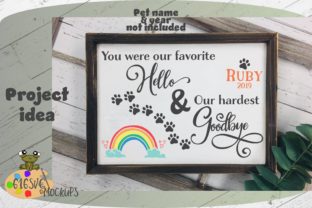
Review: Favorite Hello Hardest Goodbye Design
As a designer who spends more time at the hoop than away from it, I approach every new digital embroidery file with a mix of curiosity and caution. We all know that what looks perfect on a screen can sometimes turn into a stitching nightmare once the needle hits the fabric. Today, I am taking a close look at the Favorite Hello Hardest Goodbye design. This isn't just another cute phrase; it carries an emotional weight that requires careful handling in execution. The sentiment is powerful, often used to honor a beloved pet or commemorate a loss, which means the finished product needs to exude professionalism and care.
The Emotional Weight of the Layout
My first impression of this machine embroidery design is its balance between simplicity and impact. The typography and arrangement suggest a modern, clean aesthetic that fits well within current trends for memorial items and sentimental home decor. Because the text is the hero here, the legibility is paramount. In the world of Crafts and Graphics, we often see designs that are too busy, but this one seems to rely on the strength of the message. When I visualize this stitched out, I see it working beautifully as a focal point on a neutral background. The mood it creates is one of quiet reflection, making it ideal for projects where the story matters more than flashy decoration.
For those running a craft business or an Etsy seller shop, understanding the emotional resonance of a design is half the battle. Customers aren't just buying thread on fabric; they are buying a way to process grief or celebrate a life. The Favorite Hello Hardest Goodbye layout offers a versatile canvas. It doesn't scream for attention with excessive flourishes, which allows the stitch quality to shine. This is crucial for maintaining brand consistency and customer trust. If you are selling handmade products, the clarity of your stitching directly correlates to the perceived value of the item.
Real-World Application: The Memorial Tote
To truly test the viability of this design, I imagined a specific real-life scenario: creating a custom tote bag design for a client who recently lost their dog. The goal was a sturdy canvas tote that could carry groceries but also serve as a subtle, daily tribute. In this context, the Favorite Hello Hardest Goodbye phrase fits perfectly. It is large enough to be read clearly but not so massive that it overwhelms the bag's structure.
When planning this embroidery project, I considered the fabric texture. Canvas has a distinct weave, which can sometimes cause small details to get lost. However, the bold nature of this design suggests it would hold up well against the grain of heavy cotton or linen. For a personalized gift like this, the option to leave the product with no name or add a font you already own is a significant advantage. It gives the maker flexibility. You can stitch the main phrase as a standard inventory item and then customize it later with a specific name and year if the customer desires, or leave it universal. This adaptability makes it a strong asset for small shop products where inventory management is key.
Versatility Across Different Products
Beyond tote bags, this design has potential across a wide range of custom apparel and home goods. Imagine this stitched onto a soft fleece sweatshirt embroidery project. The comfort of the garment paired with the heartfelt message creates a high-value holiday embroidery gift or a comforting piece for someone going through a tough time. It would also work exceptionally well as a pillow cover for a living room or a kitchen towel that serves as a gentle reminder of a furry friend who used to beg for scraps.
For apparel decorators looking to expand their catalog, this design could easily transition into a line of baby embroidery items, perhaps for families saying goodbye to a first pet before welcoming a new child, though one must be sensitive to the context. It also holds promise as an embroidered patch. If digitized with a satin stitch border, it could be applied to denim jackets or backpacks, turning a static design into a movable design asset.
Technical Considerations for Stitching
While the aesthetic appeal is strong, practical execution requires attention to detail. Before committing to a final finished product, there are several technical factors to evaluate. Since the specific stitch count and file formats are not detailed in the base description, it is vital to check these specs upon download. You need to ensure the stitch density is appropriate for your intended fabric. High-density areas on stretchy fabrics can cause puckering, while low density on thick towels might look sparse.
Here are critical steps I recommend before stitching Favorite Hello Hardest Goodbye for a client:
- Test on Scrap Fabric: Always run a test stitch-out on the exact same material you plan to use for the final item. This reveals how the thread colors interact with the fabric dye and how the stabilizer performs.
- Check Hoop Size: Confirm that the design fits within your available hoop size. If it is a large layout, you may need a jumbo hoop or a re-digitized version for smaller applications like caps.
- Stabilizer Selection: For textured fabrics like towels or pique polo shirts, use a cut-away stabilizer to prevent distortion over time. For woven fabrics like tote bags, a tear-away might suffice, but water-soluble topping can help if the pile is high.
- Contrast Review: Inspect the design in black and white mockups first. This ensures that the satin stitch and fill stitch areas provide enough contrast to remain legible without relying solely on color differences.
- Small Details: Look closely at any tiny lettering or sharp corners. These are common failure points in commercial embroidery if the digitizing isn't precise.
Navigating Fabric Challenges
There are scenarios where this design should be used with caution. If you are attempting sweatshirt embroidery on a very thick, fuzzy fleece, the fine lines of the text might get swallowed by the nap. In such cases, using a water-soluble topping is non-negotiable. Similarly, curved surfaces like caps present a challenge. The curvature can distort the straight lines of the text, making it look warped. Unless the file is specifically digitized for caps, I would advise sticking to flat surfaces like aprons, blankets, or flat panels of clothing.
Dark fabrics also require strategic thinking. If the design relies on light thread colors, you must ensure there is adequate underlay stitching to prevent the dark fabric from showing through the letters, which can ruin the crispness of the message. This affects the overall visual appeal and professionalism of the piece.
Commercial Viability and Licensing
For creative entrepreneurs and digital product sellers, the licensing terms are the foundation of your business model. The description notes that pet names and years are not included, allowing for personalization. This is a fantastic feature for offering tiered pricing—charging a base rate for the standard design and an upcharge for custom text addition. However, you must confirm the licensing before selling finished items or digital products. Some designers allow unlimited physical sales but restrict digital redistribution. Always read the fine print to protect your small business from legal issues.
Using Favorite Hello Hardest Goodbye in your portfolio can enhance your buyer engagement. It shows potential clients that you handle sensitive, meaningful projects with dignity and skill. Whether you are creating printable mockups for your online store or stitching actual wedding gifts for pet-loving couples, the quality of this design can elevate your brand. It bridges the gap between a simple craft project and a cherished keepsake.
In conclusion, this design offers a poignant narrative wrapped in a versatile format. Its success lies in the execution. By paying attention to fabric choice, stabilizer use, and stitching technique, you can transform this embroidery file into a product that resonates deeply with customers. It is a reminder that in our line of work, the most powerful tools we have are not just our machines, but our ability to translate emotion into thread.