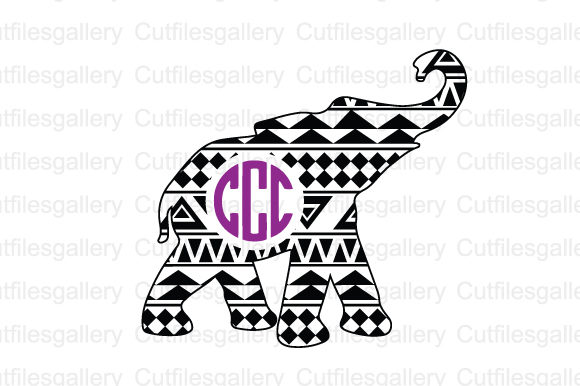
Aztec Elephant: A Designer's Take on Tribal Stitching
When I first pulled up the Aztec Elephant file on my screen, I wasn't looking for just another cute animal motif. As someone who spends hours hooping fabric and trimming jump stitches, I look for designs that balance visual impact with stitchability. This graphic falls squarely into the Crafts and Graphics categories, but my immediate thought was how it would translate from a vector line on a monitor to actual thread on fabric. The geometric, tribal aesthetic offers a modern twist on the traditional elephant silhouette, making it a compelling candidate for boutique apparel and home decor.
First Impressions and Visual Personality
The mood of the Aztec Elephant is distinctively bold and structured. Unlike soft, sketchy embroidery designs that rely on subtle shading, this piece leans heavily on strong lines and defined shapes. The "Aztec" influence suggests a pattern-heavy interior, which immediately raises questions about stitch density. In a digital embroidery file, complex internal patterns can sometimes turn into a solid blob of thread if not managed correctly. However, the clean lines of the SVG and DXF formats suggest that, when digitized properly for machines, this could result in crisp satin stitch borders or well-defined fill stitch areas. The visual personality is one of strength and stability, perfect for projects that need to make a statement without being overly fussy.
Real-World Application: The Boutique Tote Bag
To truly evaluate this design, I imagined a specific real-life scenario: creating a run of custom tote bags for a local farmer's market vendor. She needed branding that felt earthy yet modern. The Aztec Elephant fit this brief perfectly. On a heavy canvas tote bag design, the geometric elements of the elephant would hold up well against the coarse fabric texture.
In this context, the design acts as a focal point. If I were stitching this onto a natural-colored canvas, I would likely choose high-contrast thread colors—perhaps a deep charcoal or navy against the beige background—to ensure the intricate Aztec patterns inside the elephant shape remain visible. For a handmade product like this, clarity is key. Customers browsing a craft fair table won't stop to inspect tiny details; they need to grasp the image instantly. The strong silhouette of the Aztec Elephant delivers that immediate recognition, adding perceived value to the finished product.
Versatility Across Different Products
Beyond tote bags, this design has significant potential in custom apparel. Imagine a sweatshirt embroidery project for a university club or a family reunion. Placed on the left chest or as a larger back print, the tribal motifs offer a stylish alternative to standard lettering. It also translates beautifully to baby embroidery. A onesie or a nursery blanket featuring this elephant could serve as a unique personalized gift, provided the scale is adjusted correctly for smaller garments.
For Etsy sellers and small shop product creators, the versatility extends to hard goods too. While primarily an embroidery asset, the included PNG files allow for printable mockup creation or even heat transfer applications if the client prefers non-stitched options. This flexibility makes it a valuable addition to a designer's library of design assets. Whether used for holiday embroidery gifts or year-round commercial embroidery jobs, the theme is neutral enough to work in various seasons.
Technical Considerations and Potential Pitfalls
However, enthusiasm must be tempered with technical realism. The geometric nature of the Aztec Elephant presents specific challenges. If you are planning to use this on stretchy fabrics like jersey knits or thin silks, you must be cautious. Dense geometric patterns can cause fabric puckering if the stabilizer isn't robust enough. I always recommend testing the design on scrap fabric of the same weight and weave before committing to a client's garment.
Another critical factor is the hoop size. Intricate Aztec patterns often require a certain minimum size to prevent the details from merging together. If you attempt to shrink this design too small for a cap or a child's sock, the running stitch details might become indistinguishable. Furthermore, curved surfaces like baseball caps demand careful positioning; the rigid lines of the elephant might distort if not centered perfectly on the crown.
Dark fabrics present another hurdle. If stitching on black fleece or navy denim, the internal details of the elephant might get lost unless you use a very bright or metallic thread. Conversely, on light fabrics, ensure your backing doesn't show through gaps in the stitching. Since the product description notes that this download includes SVG, DXF, and PNG files but does not specify exact stitch counts or digitizing software compatibility, it is vital to check these parameters. If you are buying this as a cut file for vinyl and plan to have it digitized for embroidery later, communicate the complexity of the inner patterns to your digitizer to avoid excessive thread breaks.
Enhancing Brand Consistency and Customer Trust
From a business perspective, the quality of your embroidery project directly impacts customer trust. A clean, well-executed Aztec Elephant signals professionalism. It shows that you pay attention to detail and choose designs with character. For craft business owners, consistency is everything. If this design becomes part of your signature look, ensure you can replicate the stitch quality every time.
Buyer engagement often hinges on the uniqueness of the item. Mass-produced goods rarely feature such specific tribal-art hybrids. By offering a custom apparel piece with this design, you differentiate your handmade product from big-box store items. It adds a layer of storytelling—customers aren't just buying a shirt; they are buying a piece of art that reflects a specific aesthetic sensibility.
Final Verdict for Designers and Makers
The Aztec Elephant is more than just a pretty picture; it is a functional design element that, when handled with care, can elevate a wide range of projects. Its strength lies in its bold geometry and cultural flair, making it suitable for everything from rugged embroidered patch creations to delicate nursery decor.
Before diving into production, remember to review the licensing terms carefully. The description states "Monogram Font Not Included," which implies this is a standalone graphic, but always confirm if the license allows for unlimited commercial sales of the finished product or if there are restrictions on the number of physical items sold. Additionally, since the file formats provided are SVG, DXF, and PNG, ensure your workflow supports converting these into machine-readable embroidery files if they aren't already digitized for your specific machine brand.
In conclusion, for designers seeking a blend of modern style and traditional craftsmanship, the Aztec Elephant offers a solid foundation. With the right choice of thread colors, appropriate stabilizer, and a keen eye for scale, this design can become a staple in your portfolio, delighting customers and enhancing the visual appeal of your creative ventures.