Cross Monogram Review: A Designer's Take on Real Stitching
When I first opened the folder for the Cross Monogram, my immediate reaction wasn't just about the aesthetic; it was about potential application. As a designer who spends hours hooped up at the machine, I look past the pretty preview images on a screen. I need to know how a design behaves under tension, how it interacts with different fabric textures, and whether it holds up as a handmade product meant for daily use. This review breaks down the Cross Monogram from the perspective of someone who intends to stitch it, sell it, and stand behind the quality of the finished item.
First Impressions and Visual Personality
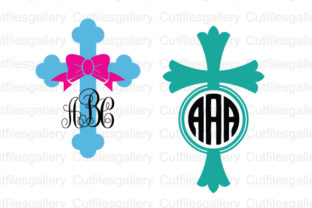
The Cross Monogram carries a distinct mood. It blends traditional faith-based symbolism with the personalized touch of monogramming, creating a design that feels both reverent and modern. Visually, the layout suggests a strong central anchor—the cross—flanked or integrated with lettering. Even though the monogram font is not included in the download, the structure of the SVG and DXF files provides a clear framework for where those letters should sit.
For an embroidery project, this kind of layout is critical. A cluttered design can turn into a thread nest on the machine, but a well-spaced one allows each element to breathe. The Cross Monogram appears to offer clean lines that would translate well into satin stitch borders or crisp fill stitch areas. The simplicity of the cross shape ensures that the focal point remains clear, even when viewed from a distance on a tote bag or sweatshirt. It avoids the trap of being overly intricate, which is often where smaller home machines struggle.
Real-World Application: The Custom Tote Scenario
To truly evaluate this design, I imagined a specific client request: a custom embroidered tote bag for a church group or a boutique baby shower gift. Canvas tote bags are popular, but they present challenges due to their weave and thickness. Here is how the Cross Monogram fits into this scenario.
If I were stitching this onto a natural canvas tote, the contrast between the thread colors and the fabric would be key. The design's open spaces would allow the texture of the canvas to show through slightly, adding depth to the finished product. However, because totes carry weight and undergo friction, the stitch density needs to be balanced. If the design is too dense, the fabric might pucker over time. If it is too light, the backing might show. The Cross Monogram seems versatile enough to handle moderate density, making it suitable for items that need durability.
For a baby embroidery project, such as a bib or a nursery wall hanging, the softness of the design becomes more important. Parents want gifts that feel gentle. The smooth curves of the cross and the potential for rounded lettering make this a strong candidate for nursery decor. It avoids sharp, aggressive angles that might look harsh on soft knits or flannel.
Navigating Fabric Challenges and Hoop Constraints
Every designer knows that a file looking perfect on a monitor can behave differently on stretchy jersey or thick terrycloth. When working with the Cross Monogram on a sweatshirt embroidery project, stabilization is non-negotiable. The cut files provided in SVG and DXF formats are excellent for cutting heat-transfer vinyl if you prefer that route, but for direct stitching, you must consider the fabric's stretch.
I would advise using a cut-away stabilizer rather than tear-away for this design, especially if it is going on a garment that will be washed frequently. The structural integrity of the cross depends on the threads holding their shape. On textured fabrics like pique polo shirts or waffle knits, the finer details of the monogram letters might get lost if the font chosen is too thin. This is where the "font not included" note becomes a design responsibility. You must select a typeface that complements the weight of the cross graphic.
Another consideration is hoop size. While the file formats (SVG, DXF, PNG) are scalable, the physical stitching has limits. If you are attempting to place this on a curved surface like a cap, you need to ensure the design fits within a standard cap frame without distortion. Small hoop sizes might require resizing the design, which can impact the clarity of small corners or tight turns in the lettering. Always test a scaled-down version on scrap fabric before committing to the final piece.
Commercial Viability for Etsy Sellers and Boutiques
For Etsy sellers and owners of small shop products, consistency is currency. The Cross Monogram offers a level of professionalism that can elevate brand perception. Whether you are selling custom apparel, kitchen towels, or holiday gifts, the design needs to look intentional.
This design asset works particularly well for seasonal spikes. Think of holiday embroidery for Easter or Christmas gifts, or perhaps wedding gifts for couples who appreciate religious symbolism. The versatility allows it to fit into various collections without feeling out of place. Furthermore, because the download includes PNG files, you can easily create printable mockups for your online listings before you even stitch a single thread. This helps in gauging customer interest and planning inventory.
However, commercial use requires diligence. Before listing items made with this design, you must confirm the licensing terms provided by the creator. Some files are for personal use only, while others allow for unlimited physical sales but restrict digital resale. Since this package includes vector files (SVG, DXF), there is a temptation to modify and resell the digital file itself. Unless explicitly stated otherwise, this is usually prohibited. Stick to selling the physical handmade product to stay safe and ethical.
Practical Designer Notes for Success
To get the best results from the Cross Monogram, keep these practical steps in mind:
- Test on Scrap First: Never run a new design on a expensive garment without a trial run on similar fabric.
- Check Thread Contrast: Ensure your thread colors pop against the background. Dark threads on dark fabric often require an underlay or a lighter outline to define the shape.
- Review Stitch Density: If converting these cut files into a machine embroidery design using software, pay close attention to pull compensation and density settings.
- Inspect Small Details: Zoom in on the vector paths. Are there any stray nodes or overlapping lines that could cause the machine to stutter?
- Mockup in Black and White: Sometimes color distracts from structural flaws. Viewing the design in grayscale helps you see the balance of light and dark areas.
- Confirm Licensing: Double-check if the license covers commercial embroidery projects or if it is limited to personal crafts.
In the world of Crafts and Graphics, tools are only as good as the hands that wield them. The Cross Monogram provides a solid foundation—a clean, meaningful graphic that respects the limitations and possibilities of embroidery machinery. It is not just a digital file; it is a component of a larger story you tell through your creations. Whether you are decorating a single pillow cover for a friend or producing a line of branded aprons for a local cafe, this design offers the clarity and elegance needed to make a lasting impression. Just remember, the magic happens not in the download, but in the careful selection of fabric, thread, and technique that brings the Cross Monogram to life.